With the Law 7/2022 on waste and contaminated soils for a circular economy promoted by the Spanish Government, the plastic tax introduced a new condition in the horticulture sector in Spain. This tax, applied to products manufactured with non-reusable plastics, aims to ensure that all packaging placed on the market is recyclable by 2030, and whenever possible, reusable.
As the Tax Agency points out, the taxable base of the tax is constituted by “the amount of non-recycled plastic, expressed in kilograms, contained in the products subject to the tax”. The agency also notes that false or incorrect certification “constitutes a serious specific tax infraction that is sanctioned with a proportional monetary fine of 50% of the unpaid quota and a minimum of 1,000 euros.
According to the Tax Agency, the accrual and taxpayers differ depending on the cases. It literally states:
- In manufacturing, the taxpayer is the manufacturer and the tax accrues with the first delivery or making available, in Spanish territory, of the manufactured products or with the total or partial collection of the price, if advance payments are made prior to the delivery or making available of the manufactured products. The delivery or making available is presumed, unless proven otherwise, when differences in less stock of manufactured products are found.
- In importation, the taxpayer is the importer and the tax accrues at the moment when import duties are accrued according to customs legislation.
- In intra-community acquisition, the taxpayer is the intra-community acquirer and the tax accrues on the 15th day of the month following the start of transport or shipment to the acquirer or at the time of issuance of the invoice, if earlier.
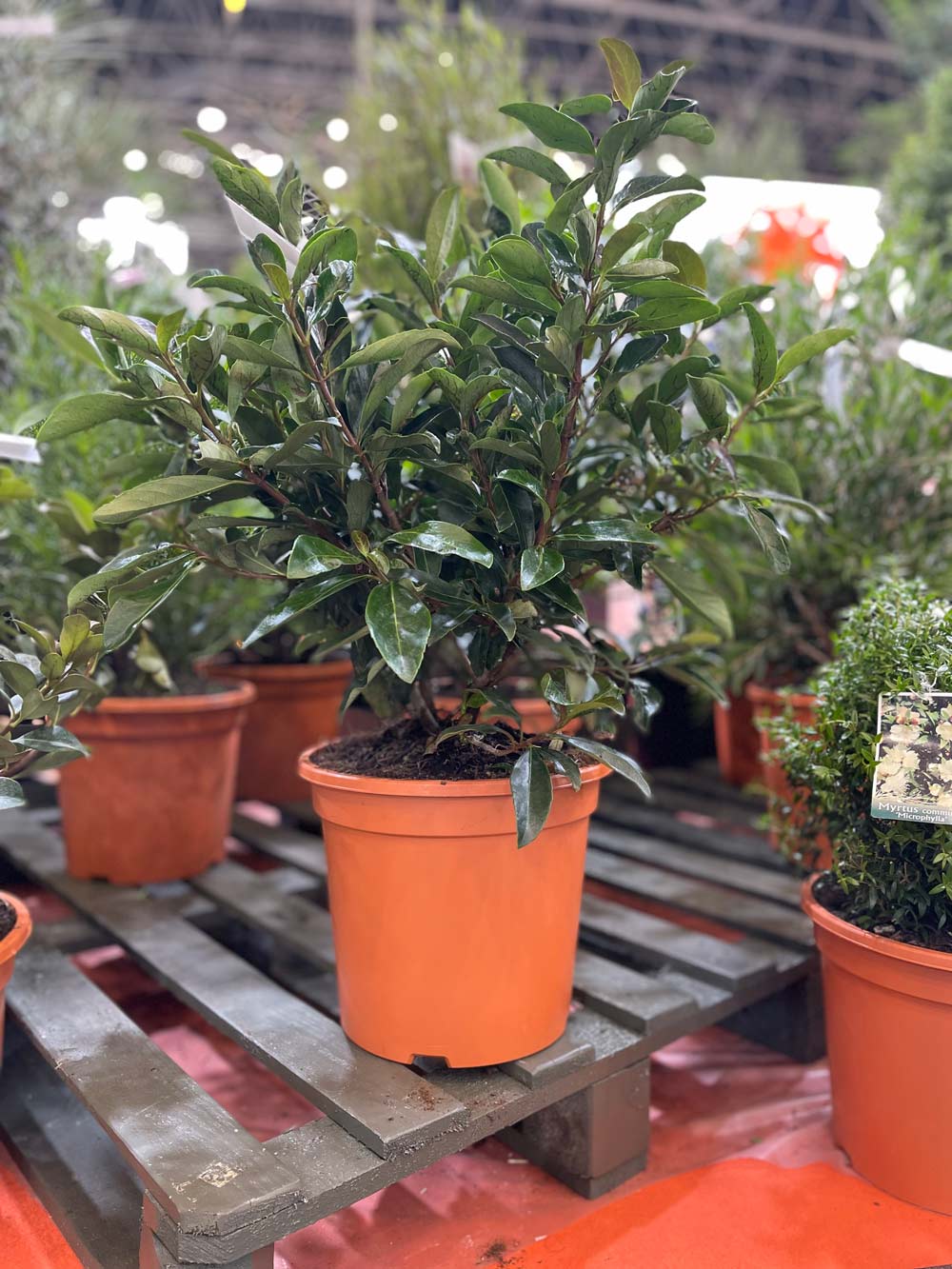
From the very first minute of the tax coming into effect, in January 2023, one of the main concerns in horticulture could be the additional cost that this tax would impose on plastic materials used in nurseries, mainly plant pots. The regulation considers as packaging those pots intended to be used only for the sale and transport of plants and not for those pots intended for the plant to remain in it for its entire life and vice versa.
In the case of plant pots considered as packaging, we have good news for you: if you choose Alber pots, as they are reusable, they are exempt from this tax. This not only means economic savings but also a step towards more environmentally friendly practices. By choosing Alber pots, horticulturists contribute to environmental preservation while also responding to an increasingly common demand at points of sale, the market, and consumers.
In fact, at Alber we have our own formula: 100 x 100 R + 100 x 100 R = 0 r
Waste reduction and product design to facilitate reuse and recycling are the first steps towards achieving a circular economy that brings us closer to zero waste (0 r). With this philosophy and given our commitment to the environment, we manufacture 100% recycled and 100% recyclable plastic products. All our products with the RR100% designation are certified by Institute Cyclos – HTP, an entity specialized in evaluating and certifying the recyclability of packaging and goods.