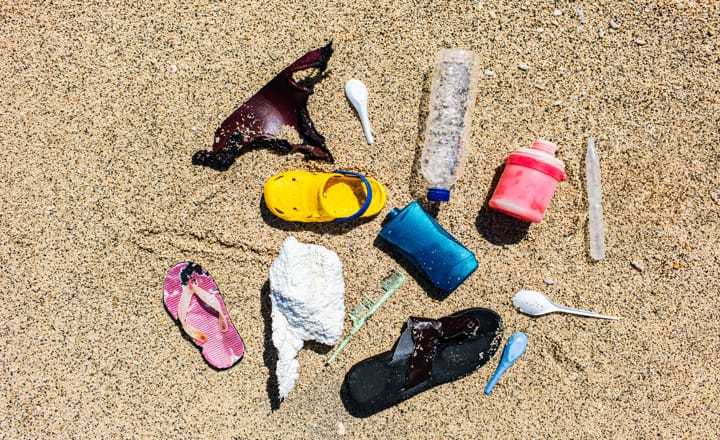
In our daily life we find an infinity of products made with plastic materials. Each material comes in different presentations, moreover its use interferes depending on the
If we talk about this material, we must also talk about its great importance in the recycling of plastics, since each type of plastic has different characteristics and the way it is recycled also influences the way it is recycled.
En Plásticos Alber somos una empresa de fabricación de productos plásticos, queremos enseñaros cuáles son las propiedades de los tipos de plásticos más usados y consejos para su reciclaje.
Most common types of plastics used
Plastic is a material that appeared in the 19th century, and after many researches and tests, it has been modified and adapted to the existing demand of the moment. That is why we find different types of plastics, depending on their nature (natural and synthetic) or how they are structured internally (thermoplastics, thermosets or elastomers).
Although nowadays, Spain and all countries have policies for the recycling and reduction of plastic products, the reality is that it is still essential to live. Now, let’s know which are the most used types of plastics:
PET
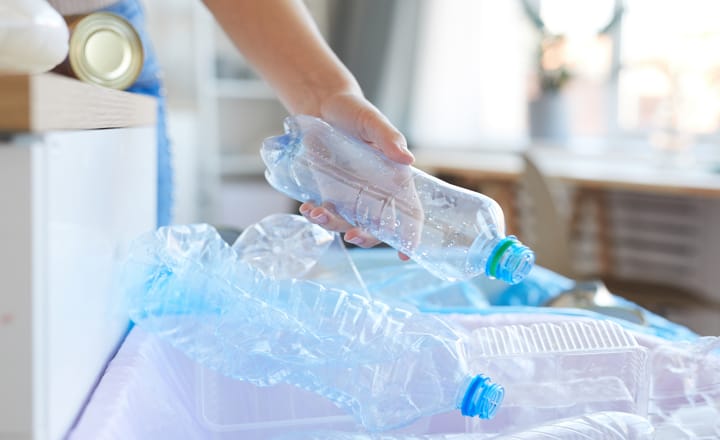
PET or also known as polyethylene terephthalate is used in bottles and beverages such as water. It is a product used to create lightweight containers. It stands out for its high transparency and for its ability to accept colorants. It is also impermeable and provides a good barrier to moisture and CO2.
One of the most common types of plastics on the market, 11% of PET plastic waste is produced on the planet. It can take between 500 and 1000 years to decompose completely. They are very easy to recycle to produce new bottles, clothing, yarn, rope, etc.
PVC
PVC or polyvinyl is characterized by its high strength and durability. It is the most widely used plastic for insulating electrical cables and for the manufacture of pipes, furniture, bank cards, etc. It has an infinite number of uses, since it is the most versatile plastic derivative. Depending on its production, it can be rigid or flexible.
It is one of the most difficult types of plastic to recycle and involves 5% of plastic waste. When reusable, household items and outdoor furniture are produced.
HDPE
HDPE or high density polyethylene is very flexible and resistant to chemicals. It is often used for the manufacture of containers such as milk, cleaning products and oils.
It is a sustainable plastic material, since most of its products can be recycled to make new containers, pots, furniture, among others. There is 14% of HDPE plastic waste produced on the planet.
LDPE
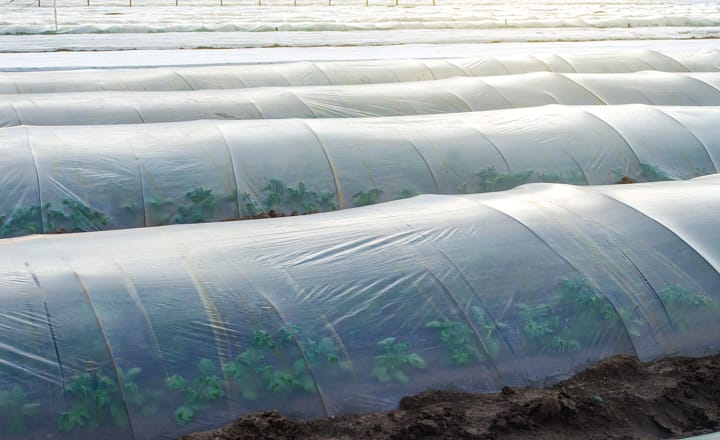
LDPE or low density polyethylene is highly resistant and very flexible. It stands out for its transparency depending on the thickness. It is the material used to manufacture shopping bags, film and bubble wrap.
It is a highly recycled plastic material and the same original products are manufactured. On the planet we can find 20% of waste, in nature it takes up to 150 years to decompose.
PS
PS or polystyrene is the most polluting plastic. It is one of the non-biodegradable types of plastics, although many
PP
PP or polypropylene is a plastic characterized by its high resistance to heat sources and chemical products. That is why it is used for food packaging, fabric fibers, car parts, caps, refrigerators, among others.
It is very easy and adaptable to be recycled and products such as chairs, textiles, transport containers, etc. can be created. It accounts for 19% of the plastic waste discarded on the planet.
We hope this article has helped you to learn more about the types of plastics available on the market and their impact on the planet. We should always strive to protect and promote a cleaner world, making a